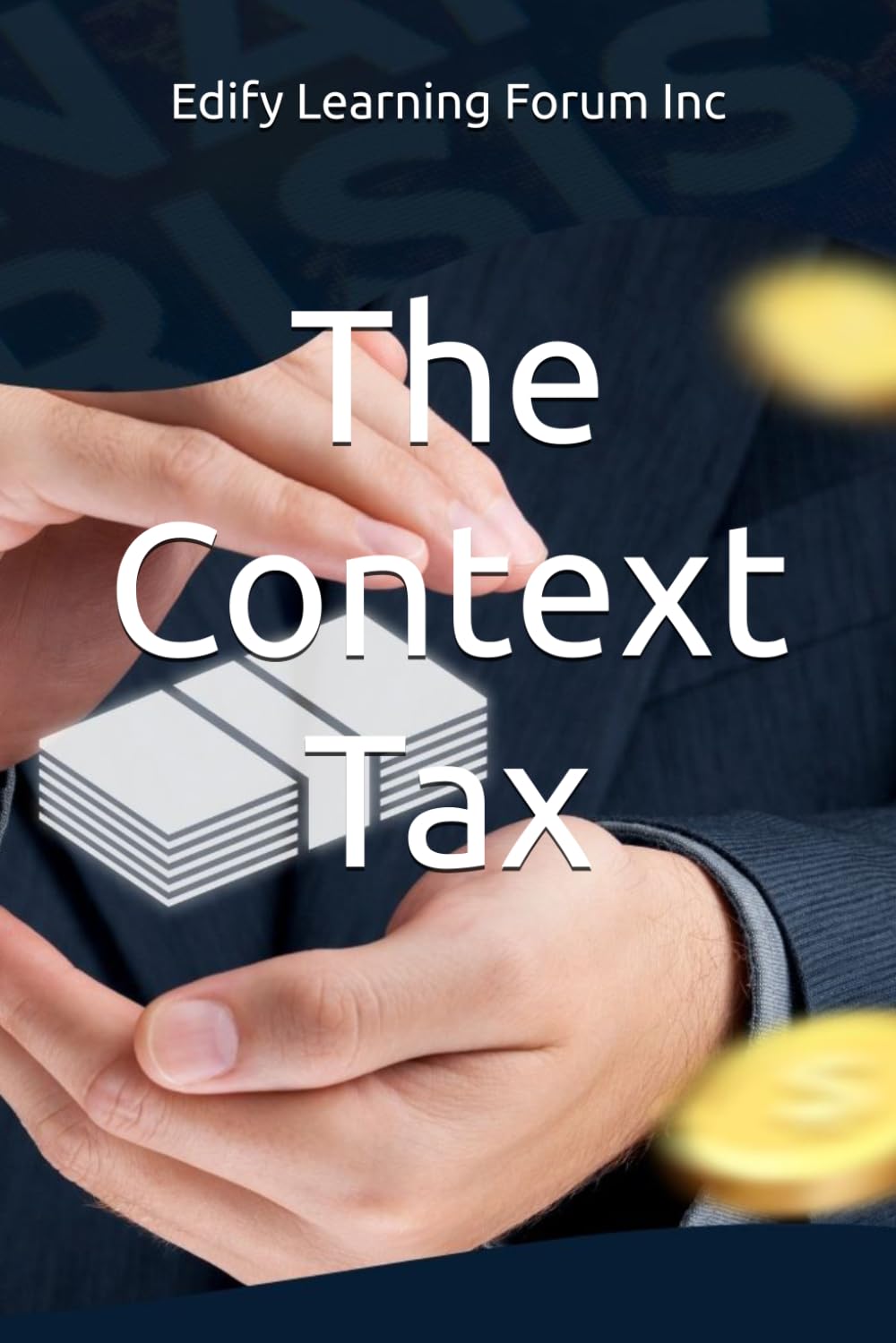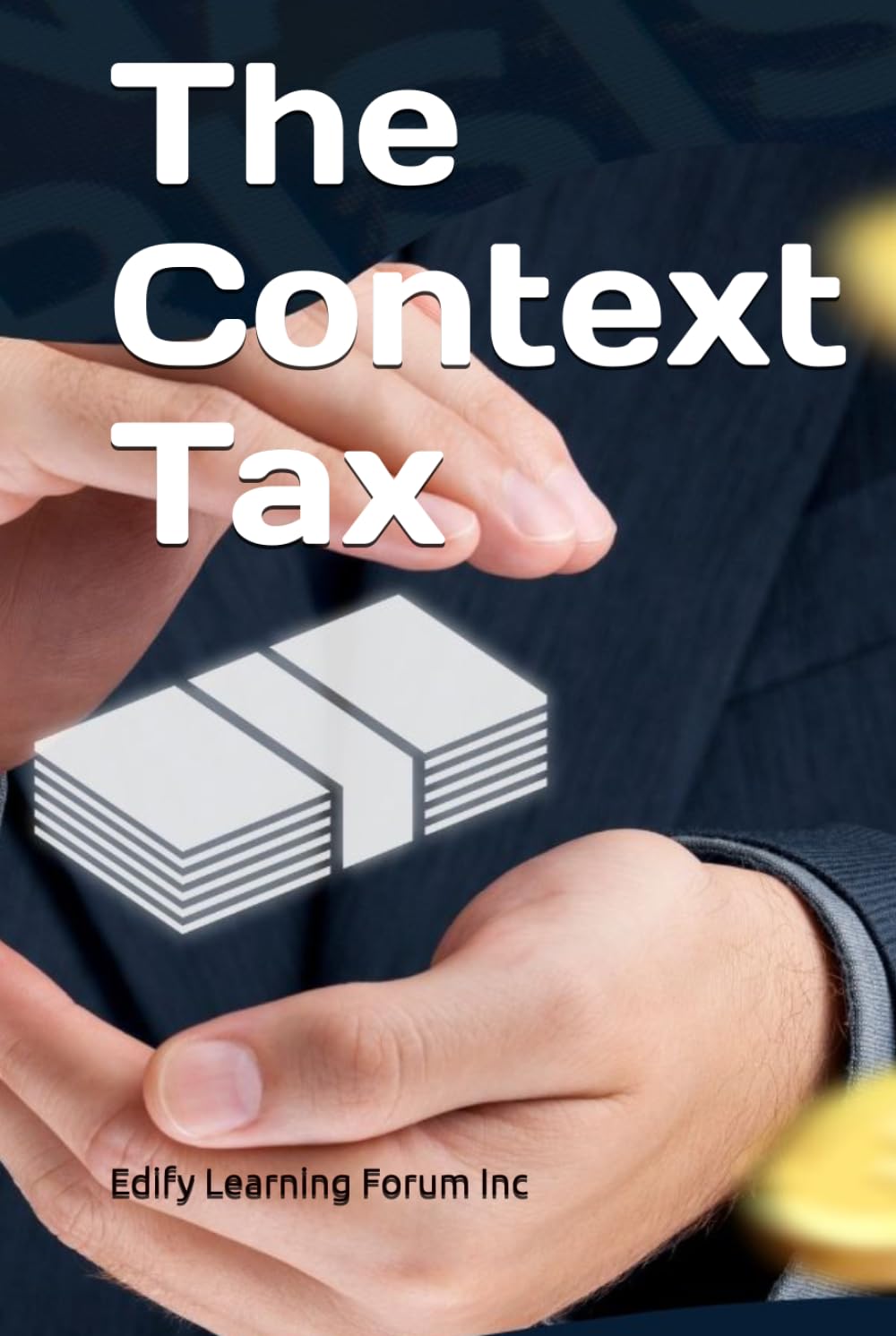
capítulo por capítulo baixar The Context Tax: Turning Context into a Measurable and Actionable Intelligence Layer
por Catherine Jura Sentamu
The Context Tax: Turning Context into a Measurable and Actionable Intelligence Layer
Let me start with a number that should bother you as much as it bothers us: roughly US$311,000. That's the average annual cost of sending one manager from one country to another for a two or three year assignment. It covers their salary, tax equalisation, housing, their kids' schooling, the move itself, and the administrative weight of running a payroll across two jurisdictions. One person. One job. One country. One moment in time. If you are reading this, you have probably signed off on a number like that, or watched one quietly drain a budget you were responsible for. Underneath that figure sits a less visible layer of expenditure: the cost of context. Every system you inherit, every policy you roll out, every technology you deploy assumes that things travel, that people, practices, and tools can move across environments without distortion. But you already know they don't. Context has to be rebuilt, reinterpreted, and constantly recalibrated. And somebody, often you, pays for that work whether or not anyone names it. This is what we call the Context Tax: the hidden cost you pay whenever systems, ideas, or technologies get moved into environments they were never designed for. It rarely shows up in a budget line. It shows up in inefficiency, in misalignment, in the slow gap between what a project was supposed to do and what it actually delivered. You feel it before you can measure it. As your systems get more complex, and as AI mediates more of the decisions inside them, this tax doesn't disappear. It compounds. The distance between how something was designed and how it lands in your environment keeps widening, and your ability to recalibrate to context becomes the thing that decides whether the system works or quietly fails on your watch. That's why we wrote this book, and why we built MAPS, a practitioner's lens for reading context inside complex systems. MAPS isn't a universal solution and we won't pretend it is. It's a remedial framework, something to help you identify, interpret, and respond to the contextual conditions actually shaping your outcomes. The question we kept asking ourselves at Edify Learning Forum was simple: can the work of reading the territory be done deliberately, with structure, and reasonably quickly, by someone who hasn't yet had the chance to be wrong a hundred times? We think it can. And we wrote this for the version of you that can't afford to wait for those hundred mistakes.
Procurando The Context Tax: Turning Context into a Measurable and Actionable Intelligence Layer? Aqui você encontra tudo sobre este livro de Catherine Jura Sentamu. Nesta página estão a descrição da obra, os detalhes da edição (76 páginas) e os formatos disponíveis para baixar: pdf, ibook, epub, kindle. Se você gosta de Livros Internacionais, Administração, Negócios e Economia, Gestão e Liderança, Consolidação e Incorporação, explore também outros títulos da mesma categoria no Porto do livro Português. Veja ainda as outras obras de Catherine Jura Sentamu em nosso catálogo.





Autores populares
Icon Group International (285) Publishing lmgdaw (262) Nikolay Krechet (164) Kennie B Journals (112) Riddler Books (98) Charles Nehme (95) webmarbook design (95) Mint and Cherry Notebooks (79) Iwona Makara (76) Mary Hirose (75) NAK Legal Publishing (74) Jillo Trukudo (73) Just Visualize It (69) Quick Witted Coconut (67) Talor Press (67) matlasor Sticker's (64) Miller Sye (63) Moonpeak Library (63) Ondrej Sarek (63) Roggie Clark (63)Principais publicadores
Forgotten Books Independently published Routledge Dover Publications CRC Press Taschen Princeton University Press Wiley Oxford University Press Springer Cambridge University Press Kessinger Publishing Thames & Hudson Gale, U.S. Supreme Court Records Bloomsbury Academic O'Reilly Media Rizzoli International Publications Hal Leonard Publishing Corporation Tuttle Publishing Editorial Tirant lo Blanch