
Descrição do livro
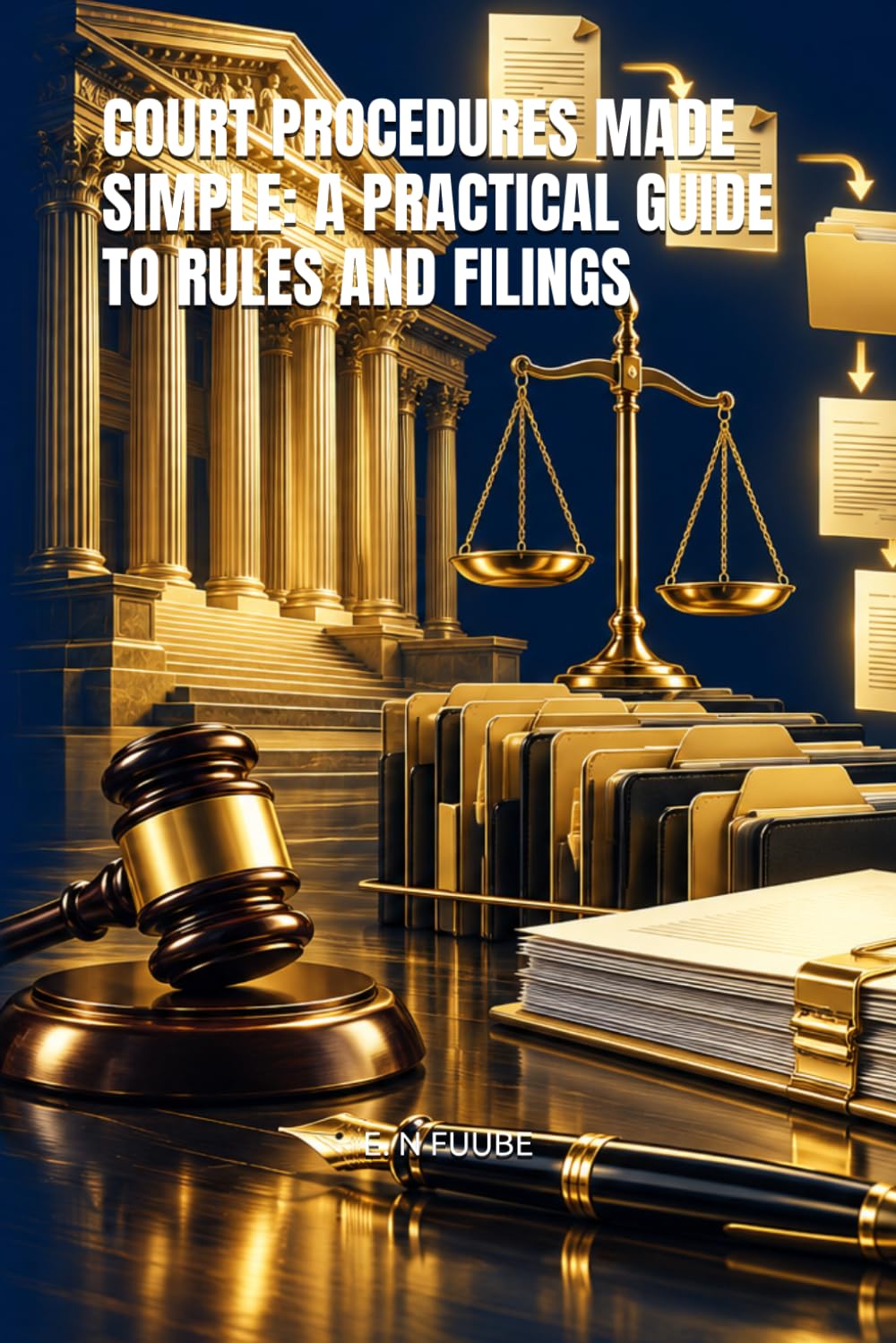
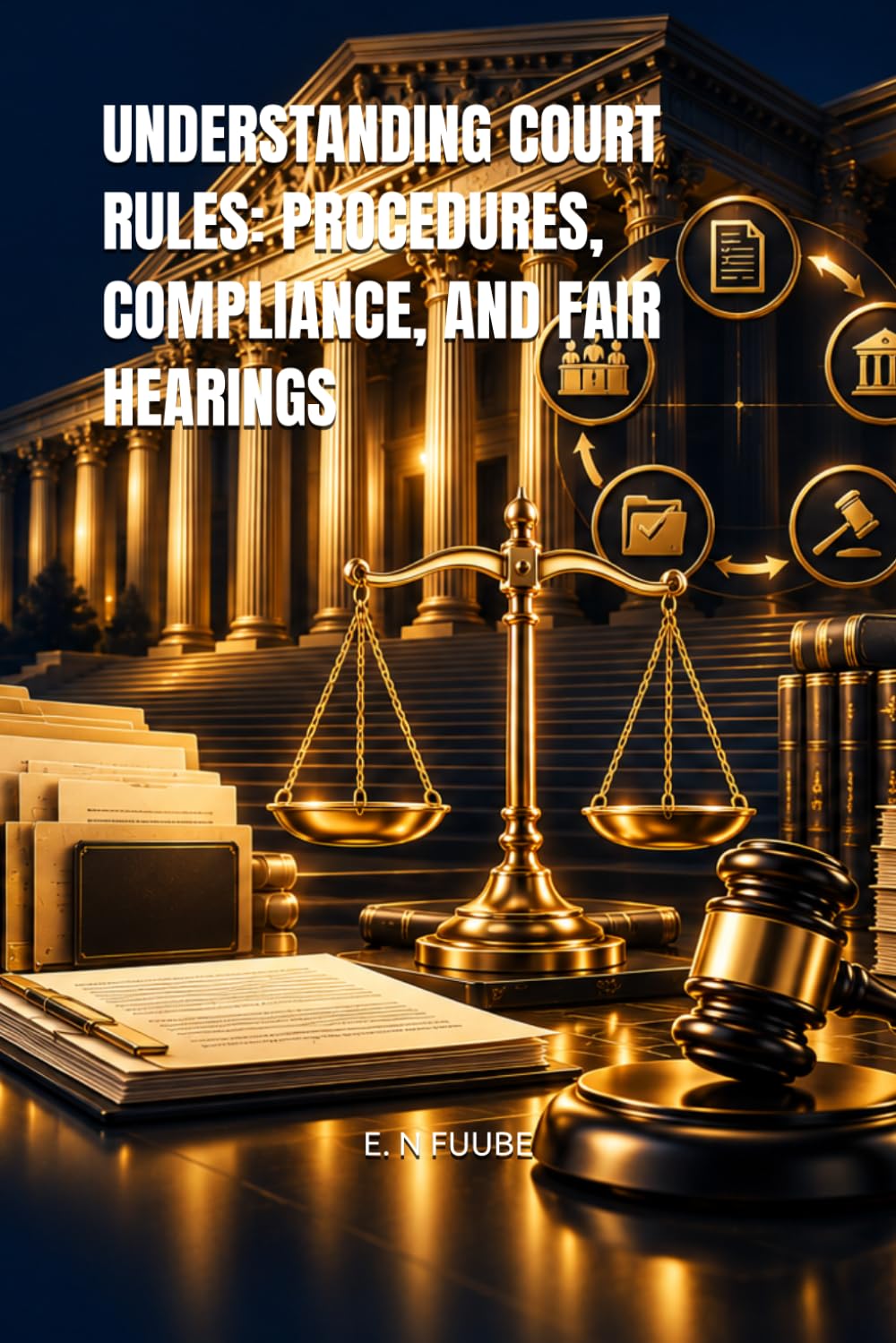
A Practical Guide to Court Procedures, Filing Requirements, Evidence, Hearings, Appeals, and Procedural Compliance Court rules provide the framework for how legal proceedings are started, managed, heard, and reviewed. Understanding these rules can help parties, representatives, and other participants navigate court proceedings more effectively. UNDERSTANDING COURT RULES: PROCEDURES, COMPLIANCE, AND FAIR HEARINGS provides a practical introduction to the procedures and requirements commonly encountered in court proceedings. The book begins by explaining the purpose of court rules, sources of procedural law, different types of courts, and the importance of complying with procedural requirements. It then examines the filing of court documents, including pleadings, applications, formatting requirements, filing deadlines, and service procedures. Readers will learn about case management procedures, including scheduling orders, pre-trial conferences, court directions, and compliance monitoring. The book also explores the roles of parties and legal representatives, covering self-representation, legal counsel, court responsibilities, and ethical conduct. Evidence and procedural requirements are examined through disclosure rules, evidence submission, witness statements, and the principle of procedural fairness. The book further explains motions and applications, including different types of motions, filing procedures, supporting materials, and how courts determine applications. The book concludes by exploring appeals and procedural review, including appeal rights, procedural errors, review standards, and appellate procedures. Whether you are a law student, self-represented party, legal professional, or someone seeking to understand how court procedures work, this guide provides an accessible foundation for navigating procedural requirements and participating responsibly in court proceedings. 1. Introduction to Court Rules 2. Filing Court Documents 3. Case Management Procedures 4. Parties and Representation 5. Evidence and Procedural Requirements 6. Motions and Applications 7. Hearings and Courtroom Procedures 8. Consequences of Non-Compliance 9. Appeals and Procedural Review 10. Best Practices for Court Compliance #CourtRules, #CourtProcedures, #LegalProcedure, #CourtCompliance, #Litigation, #LegalPractice
Understand the purpose of court rules, sources of procedural law, different types of courts, and why procedural compliance matters.
Learn about pleadings, applications, document formatting, filing deadlines, and the procedures for serving court documents.
Explore scheduling orders, pre-trial conferences, court directions, and methods used to monitor procedural compliance.
Understand the roles of self-represented parties and legal counsel, together with court responsibilities and standards of ethical conduct.
Examine disclosure rules, evidence submission, witness statements, and the procedural safeguards that support fair hearings.
Learn about different types of motions, filing procedures, supporting materials, and how courts determine applications.
Understand how to prepare for hearings, appropriate courtroom etiquette, judicial expectations, and participation requirements.
Explore procedural penalties, dismissal risks, sanctions, and corrective measures that may follow failures to comply with court rules.
Learn about appeal rights, procedural errors, review standards, and the general procedures involved in appellate proceedings.
Discover practical approaches to case organization, time management, record keeping, and professional conduct throughout court proceedings.






Autores populares
Icon Group International (285) Publishing lmgdaw (262) Nikolay Krechet (210) Kennie B Journals (112) Evgeniia Naumchenko (101) Riddler Books (98) Charles Nehme (96) NAK Legal Publishing (96) webmarbook design (95) Unknown Author (84) Mint and Cherry Notebooks (79) Iwona Makara (76) Mary Hirose (75) Jillo Trukudo (73) Vários Autores (71) Various (70) Just Visualize It (69) Quick Witted Coconut (67) Talor Press (67) matlasor Sticker's (64)